

For a long time, brand marketing was organized around campaigns. There was a campaign to launch a product, another to sell it, another to generate leads, another for holidays, and yet another to remind the market that the brand existed. This model hasn't lost its value. Campaigns remain important because they create movement, focus, and urgency. The problem begins when they become the center of the strategy, and not a part of it.
When a brand lives solely on activation cycles, it becomes dependent on peaks. It invests, appears, generates some results, disappears, and after a while, needs to start all over again. In this process, each action seems like a new beginning: learning is lost, data becomes scattered, relationships don't mature, and technology ends up being used more as operational support than as growth intelligence.
Brands that want to grow need to change the question they're asking. Instead of starting with "which campaign are we going to run?", they should be asking themselves what kind of ecosystem they are building to be found, remembered, chosen, and recommended continuously.
Consumers already live in a distributed digital environment.
In Brazil, this discussion doesn't concern a distant future; it describes the present. According to... DataReportal Digital 2025 Brazil, The country had 183 million internet users at the beginning of 2025, with 86.21 TPI of online penetration. The same survey indicated 217 million mobile connections and 144 million social media accounts. YouTube and Instagram had 144 million and 141 million users in the country, respectively.
These numbers show that consumers already live in a distributed digital environment. They research on one channel, compare on another, chat via message, check reputation on social media, receive an advertisement, access the website, return days later, ask for recommendations, read reviews, interact with content, and only then decide. Therefore, a brand is not built on a single point of contact. It is perceived by the sum of the interactions it offers over time. This behavior is even more evident among younger people: we showed in... How Generation Z uses social media. Why has the social world become the gateway to discovery?.
This is where campaign logic begins to show its limitations. Campaigns can generate attention, but attention is not the same as a relationship. They can generate traffic, but traffic is not the same as trust. They can generate leads, but leads are not necessarily qualified connections with the brand. To transform interest into a relationship, data into intelligence, and presence into growth, a system needs to be built.
What is a digital ecosystem?
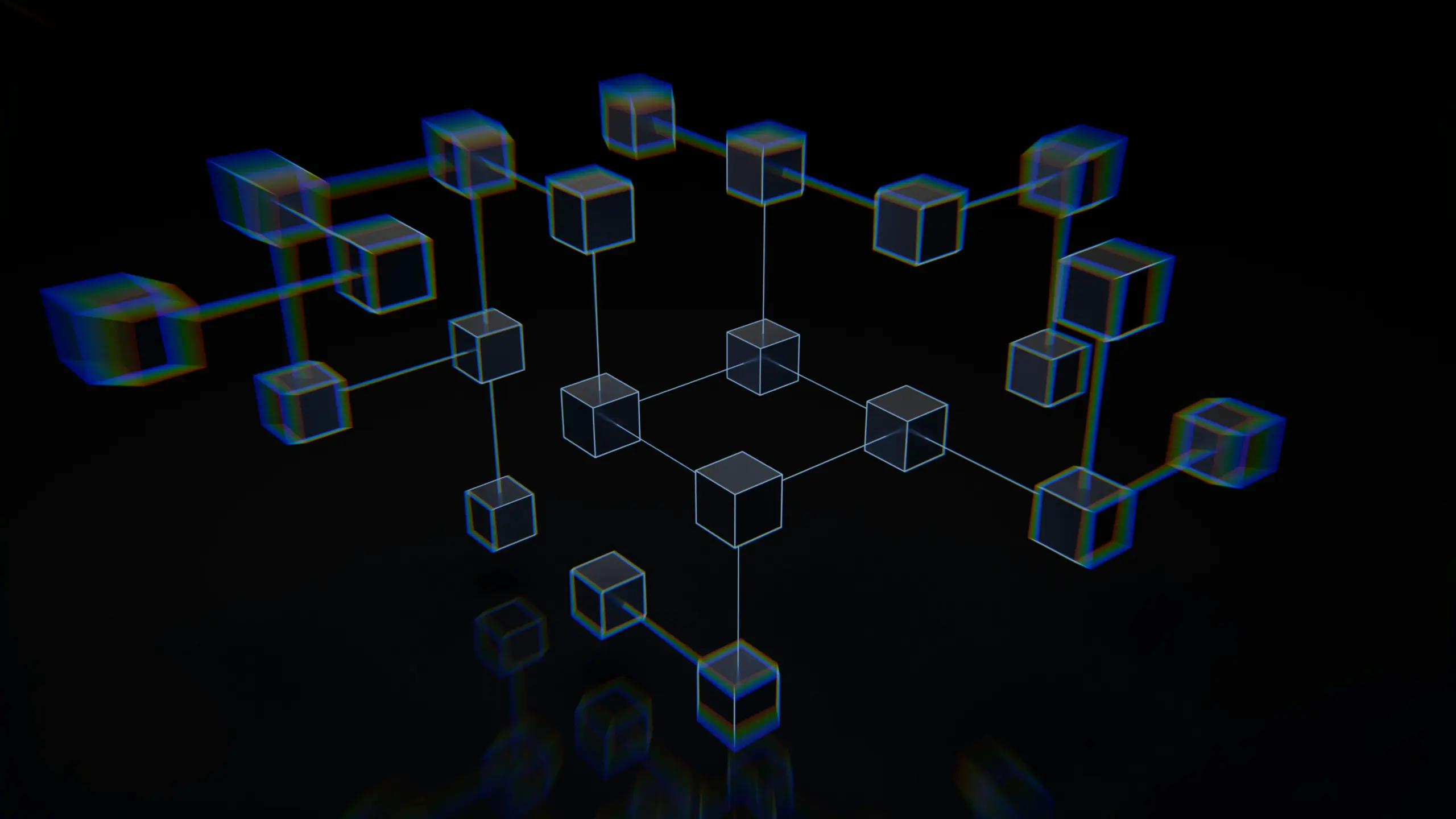
A digital ecosystem is precisely this integration between strategy, brand, content, channels, data, CRM, technology, media, product, and relationship. It's not about having an isolated website, a well-produced post, an automation tool, or a performance campaign running without context. It's about making the whole thing work in a connected way.
In practice, this happens when content fuels search, search fuels discovery, discovery initiates a relationship, the relationship generates data, data improves segmentation, segmentation qualifies communication, communication strengthens the brand, and the brand makes selling more natural. When these parts work separately, marketing becomes a collection of initiatives. When they work together, it becomes a growth infrastructure.
Customization depends on the system.
This change is especially important because consumers have come to expect more meaningful experiences. McKinsey shows that 71% of consumers expect personalized interactions and 76% get frustrated when that doesn't happen.. The same study indicates that faster-growing companies generate more revenue from personalization than slower-growing companies.
But personalization doesn't arise from an isolated action; it depends on data, context, technology, consistency, and a customer journey vision. It depends on a company capable of learning from each interaction and using that learning to improve the next conversation. Therefore, the challenge for brands is not simply to be present on more channels, but to ensure that channels, data, content, CRM, media, technology, and experience tell the same story and learn together.
Having tools doesn't mean having architecture.
THE Salesforce, at State of Marketing, heard about 4,500 marketing leaders worldwide And it revealed a significant contradiction: 831% of professionals acknowledge the shift towards personalized, two-way messaging, but only 1 in 4 is satisfied with how they use data to create those moments. This difference reveals a common pain point for businesses. They have the tools, channels, and campaigns, but they don't always have the right architecture.
Without architecture, content doesn't communicate with the CRM, media doesn't feed back into the strategy, the website doesn't capture enough intelligence, data gets stuck on different platforms, and automation sends messages without necessarily deepening relationships. The technology exists, but it doesn't guide decision-making. The brand is visible, but it doesn't necessarily evolve based on what it learns.
Digital presence is not the same as a digital ecosystem.
Digital presence means being present on the channels. A digital ecosystem means making those channels work together around a growth strategy. A brand with a digital presence publishes, advertises, and is visible. A brand with a digital ecosystem understands behavior, organizes data, creates journeys, personalizes interactions, measures learnings, and continuously improves.
Artificial intelligence increases the importance of trust.
This logic becomes even more relevant in a market permeated by artificial intelligence. AI expands the capacity for analysis, creation, automation, and personalization, but it also increases the demand for trust.
Node State of the AI Connected Customer, by Salesforce, 71% of customers say they are more protective of their personal data.. Furthermore, 61% argue that advances in AI make trusting companies even more important, while 64% believe that companies are reckless with customer data.
These data reinforce a central point: marketing will not only be more automated; it will need to be more reliable, more integrated, and more intelligent. Technology, campaigns, data, and content remain essential parts of the strategy, but none of these elements generates predictable growth when operating in isolation. The value lies precisely in the ability to connect these parts into a coherent system, capable of learning from each interaction and transforming digital presence into relationships, trust, and results.
Campaigns remain important, but they need to be part of a system.
Thinking about digital ecosystems, therefore, doesn't mean abandoning campaigns. It means giving them a smarter role within a larger architecture. Each campaign should generate learning, each learning experience should improve the next action, each interaction should broaden the understanding of the customer, and each channel should strengthen the others.
The transition from campaigns to ecosystems doesn't necessarily require the brand to do more things, but rather to better connect what it already does. This means looking at the website, content, CRM, media, data, automation, social channels, and digital experience not as separate initiatives, but as parts of the same growth infrastructure.
Relevant brands don't just appear when they have something to sell. They build a presence before the decision, sustain trust during the selection process, and continue to generate relationships after the purchase. In a market where attention is fragmented, data is strategic, and technology is constantly changing consumer behavior, growth requires more than well-executed campaigns; it requires a digital ecosystem designed to learn, connect, and evolve.
In the follow55, It is from this logic that we act as a strategic marketing and technology partner: integrating strategy, data, content, CRM, media, and digital products to transform digital presence into consistent growth.




 Portuguese
  English