


THE Generation Z She doesn't use social media like other generations. She lives within it to discover, learn, buy, and connect.
This completely changes the role of social media for brands.
Today, the Social media has ceased to be a distribution channel. and it became one of the main points of contact with the consumer.
Social media has become the new search engine.
Search behavior has changed. A significant portion of Gen Z It already uses social media as its primary source of research, surpassing traditional search engines like Google. This same trend is now being repeated in generative AI: we explain this change in [link/reference]. What is GEO (Generative Engine Optimization)?.
They are researching:
- products
- restaurants
- tendencies
- reviews
- lifestyle
Everything within platforms such as TikTok, Instagram and YouTube. In practice, brands that don't appear on social media cease to exist the moment they are discovered.
Where Gen Z is (and how they use each platform)
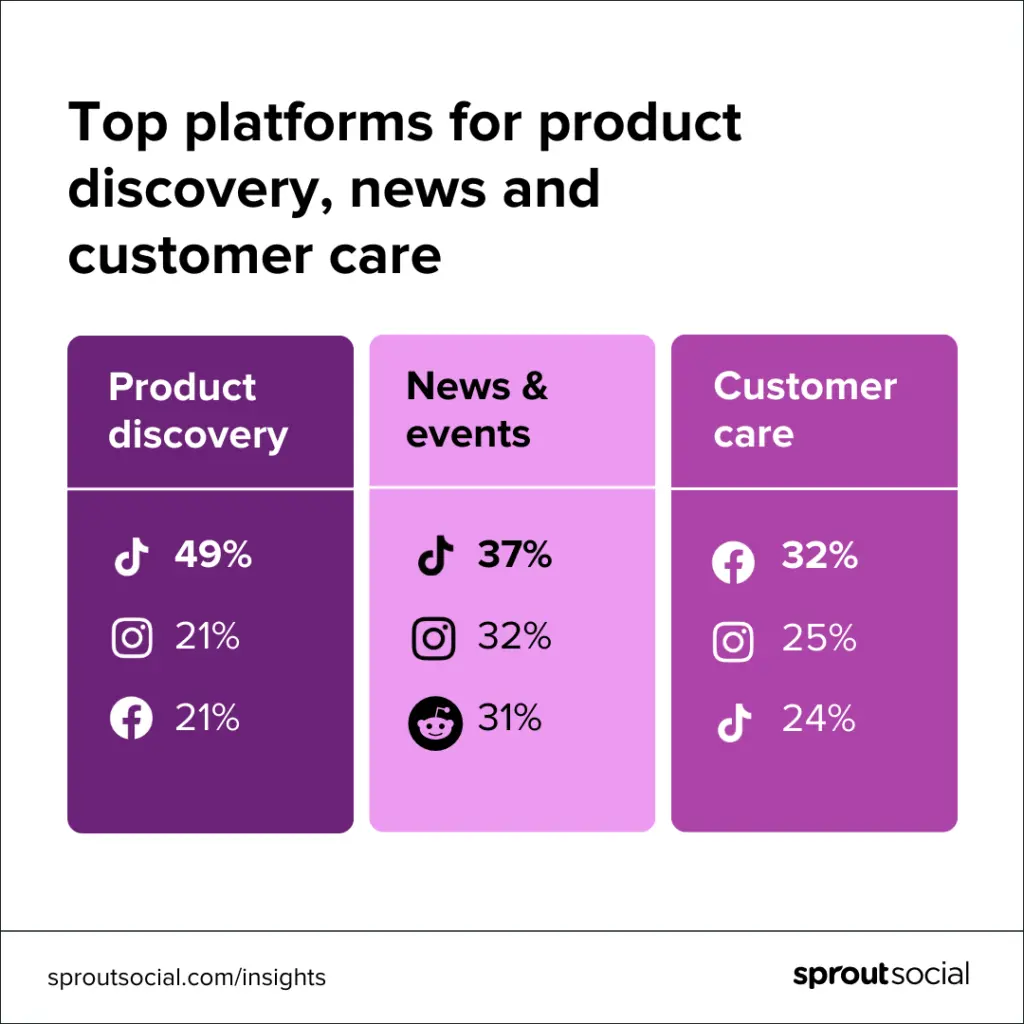
The presence of Gen Z is distributed across different channels, each with specific functions:
- Instagram and Facebook: reach and constant presence
- YouTube: in-depth consumption
- TikTok: discovery and trends
Each platform plays a clear role within the journey.
- TikTok drives discovery
- Instagram maintains connection.
- YouTube delves deeper into content
Brands need to structure their presence considering this logic of usage. And this logic is not static: Instagram has changed, and this structurally alters how brands grow on the platform..
The type of content that actually performs
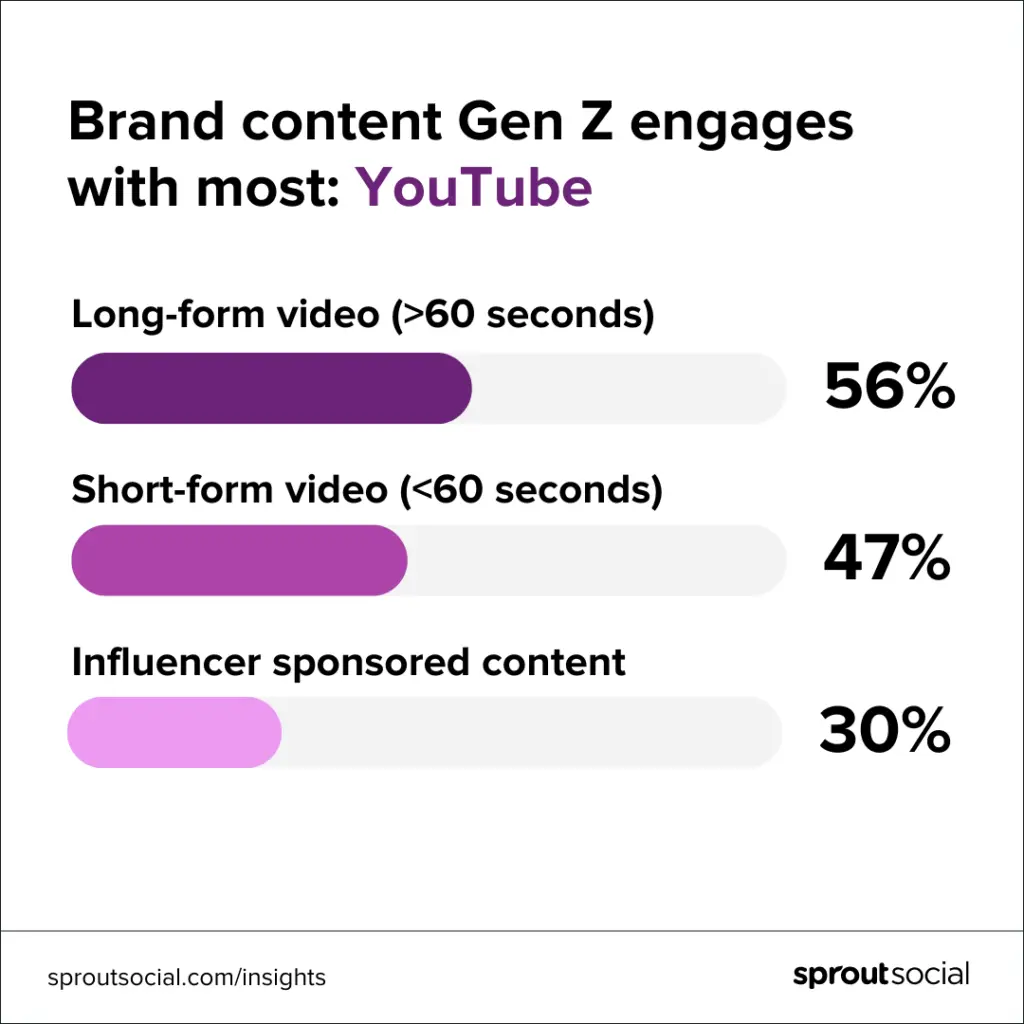
Gen Z values relevant and dynamic content. The best-performing formats include:
- Short videos (less than 60 seconds)
- Educational content
- Memes and entertainment
- Series and recurring content
Following trends in isolation does not sustain relevance.
Consistency, identity, and a continuous narrative are key factors for performance.
Social commerce is already an established behavior.
The Gen Z buying journey takes place online.
Most have already made purchases influenced by social media content and tend to consume more from brands that work with influencers they feel an affinity with.
Even in the most challenging economic scenarios, social media remains an active channel for conversion.
The impact goes beyond branding and connects directly to revenue generation. Transforming this relationship into predictable revenue is the role of a... CRM treated as a strategy, not just a tool..
Brand positioning requires consistency.
Gen Z values brands with a clear positioning, but with consistency.
Part of this audience stops consuming brands whose values are not aligned with their perceptions.
The deciding factor lies in the consistency between discourse and practice, especially on topics that make sense within the brand's context.
The biggest gap for brands today
Many companies still operate social media with a logic limited to calendars and campaigns.
Meanwhile, Gen Z's behavior positions the social sphere as:
- discovery channel
- relationship channel
- content consumption environment
- conversion point
This misalignment reduces relevance and impact.
What brands need to do now
Some guidelines are essential:
1. Structuring the social as an ecosystem
Integrate discovery, relationship building, and conversion within the strategy. At follow55, we champion this vision in Why brands need to think about digital ecosystems..
2. Develop proprietary content
To build identity, consistency, and one's own narrative.
3. Prioritize video
Combine short and long formats with clear objectives for the journey.
4. Work with influencers strategically.
Focus on affinity and context, not just reach.
5. Intensify interaction
Responses, conversations, and an active presence have a direct impact on brand perception.
Conclusion
Gen Z operates on a social-first logic.
This has a direct impact on:
- the buyer's journey
- the way of discovery
- the role of brands
Companies that adjust their strategy to address this behavior increase their relevance and performance.
Social presence becomes less about exposure and more about genuinely building connections and value.
Ready to structure a social-first strategy for your brand? Learn about our approach. Growth.




 Portuguese
  English