

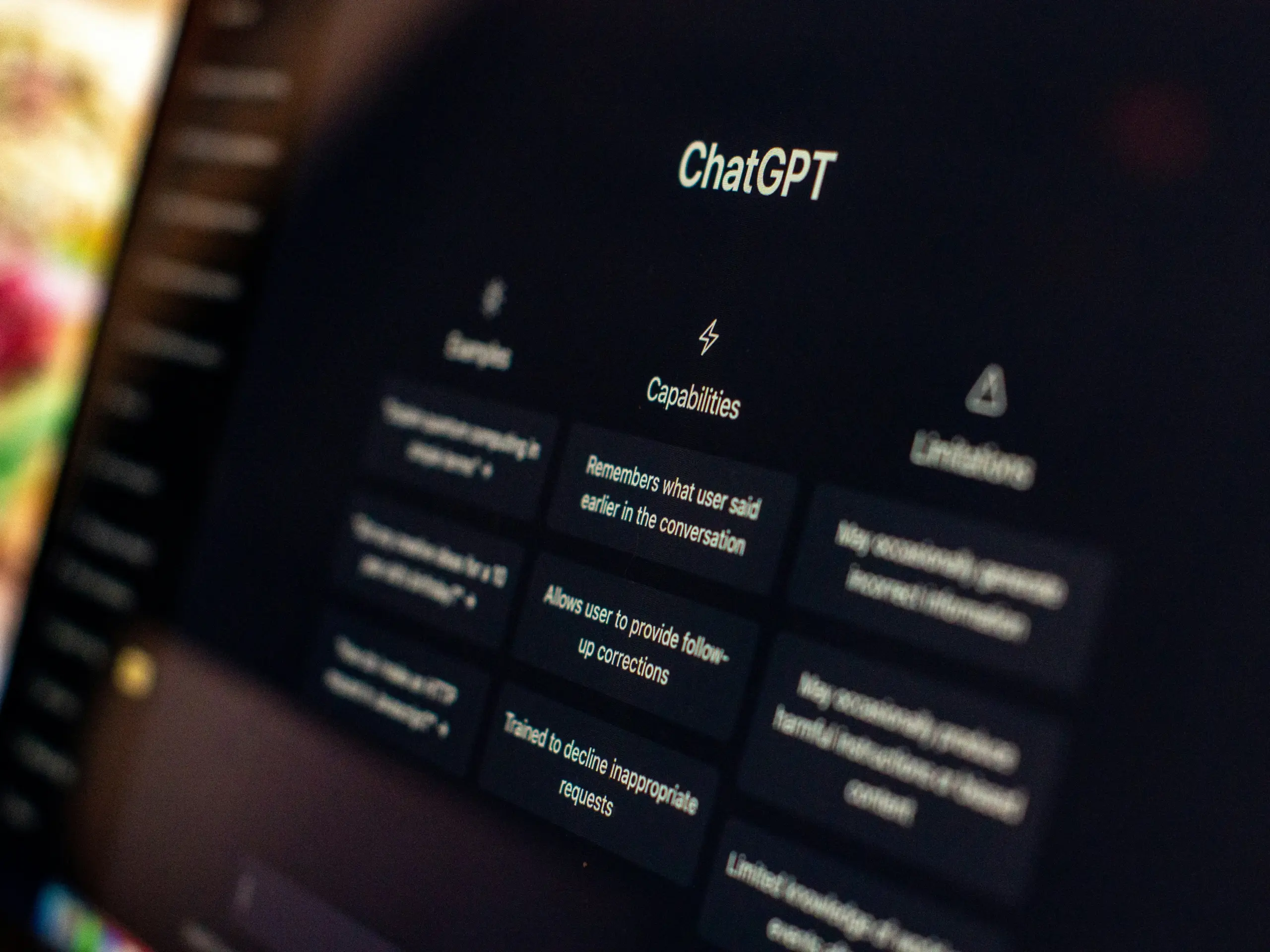
For many years, one of the most frequently asked questions by companies was relatively simple: “How to appear on Google?”.
The answer involved a combination of SEO, content production, user experience, technical performance, backlinks and various other factors that helped a page achieve positions in search engines.
Now, a new question is starting to gain traction in marketing, technology, and innovation meetings:
How do I appear on ChatGPT?
At first glance, it seems like a natural evolution of the SEO discussion. After all, if millions of people have started using artificial intelligence to research products, compare suppliers, discover brands, and clarify doubts, it makes sense that companies would want to understand how to participate in these answers.
But there's a problem with that question: it's based on a flawed premise. When asking how to appear on ChatGPT, many people imagine there's some kind of registration, optimization tool, or configuration similar to what happened for years with search engines.
In practice, it doesn't work that way. You don't submit your website to ChatGPT, there's no registration form, and there's no button that tells an artificial intelligence which companies it should recommend.
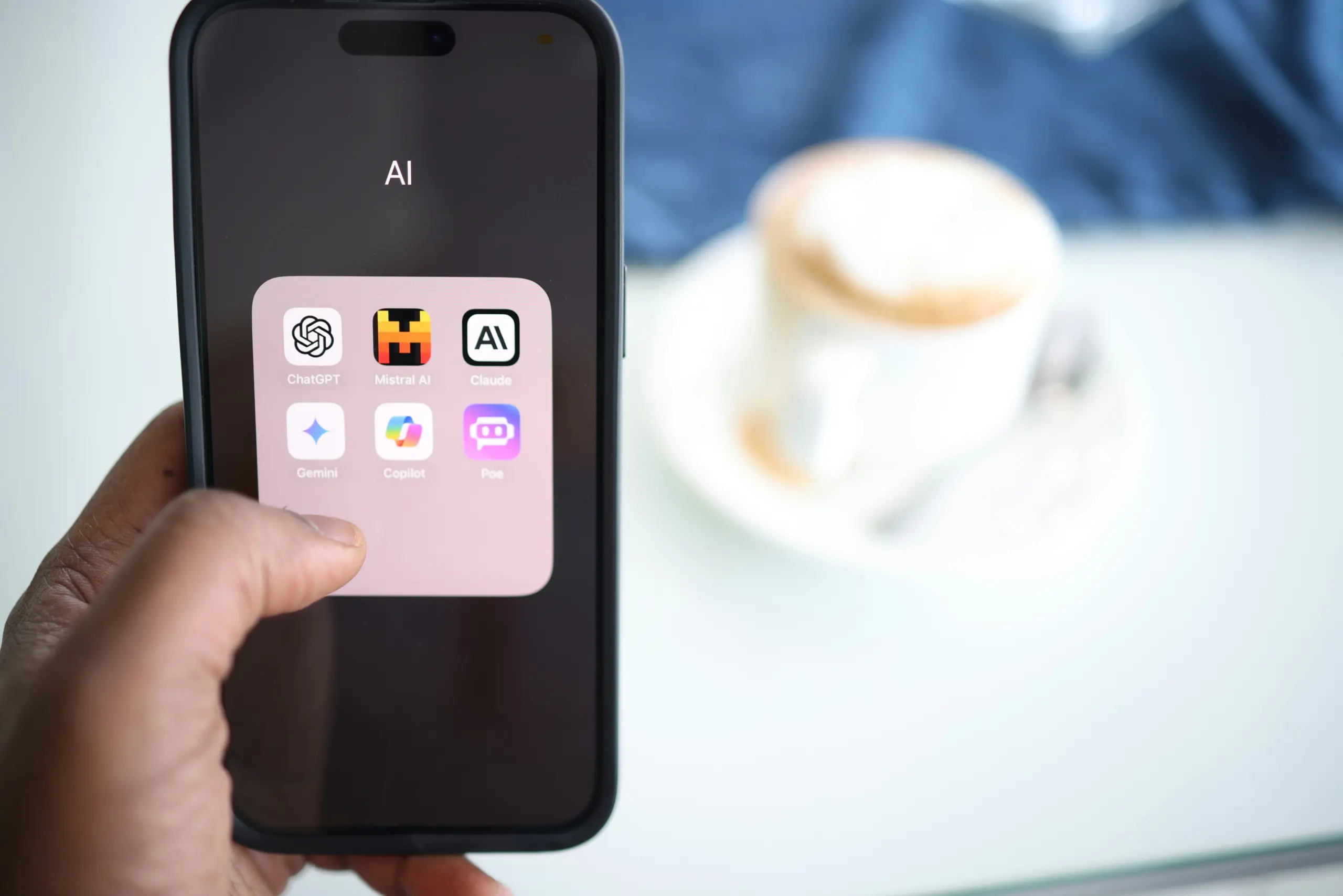
This is perhaps the biggest change brought about by generative artificial intelligence. While search engines organized web pages, models such as ChatGPT, Gemini, Claude and Perplexity They seek to build answers. And building answers is very different from organizing links: this difference completely changes how companies need to think about their digital presence.
The magnitude of the change, in numbers.
Before answering how to appear on ChatGPT, it's worth putting into perspective what we're talking about. Because the question didn't arise from a technological curiosity: it stemmed from a concrete and measurable change in the behavior of those who discover brands, compare suppliers, and make purchasing decisions.
- THE ChatGPT surpassed 1 billion monthly users. in 2026, according to Sensor Tower, and it was the fastest app in history to reach that milestone: about 3 years, compared to 5 to 8 years for YouTube, TikTok, and Instagram;
- THE Gartner projects a 25% drop in traditional search volume. as chatbots and AI agents handle queries;
- Studies on search behavior indicate that about 6 out of 10 Google searches now end without any clicks, because the answer appears on the screen itself;
- In Brazil, Leadster's 2026 Lead Generation Panorama recorded a median conversion rate of 7.8% for visitors coming from AI, more than double the median for Meta Ads and Google Ads.
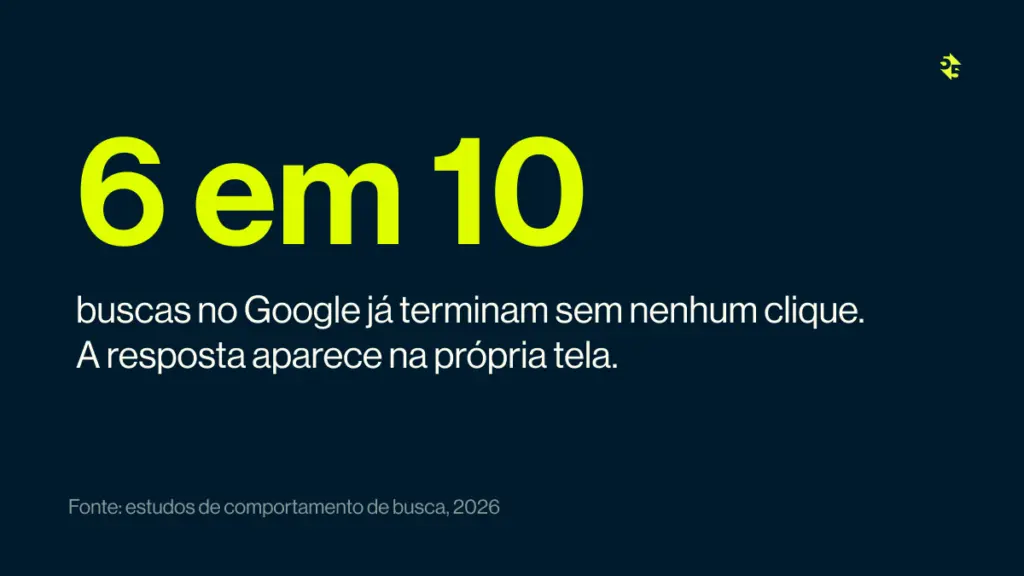
The numbers tell a double story. The volume of discovery is shifting towards search engine results, and at the same time, visitors arriving via AI recommendations are more qualified and decisive. Less traffic, more value per visit. This combination has taken the topic out of the realm of SEO specialists and placed it on the agenda of executive committees.
Not by chance, CMOs of brands such Coach and American Eagle are already publicly discussing how to stand out on AI platforms.. American Eagle states that approximately 40% of its media operation is already supported by artificial intelligence. When brands of this size treat the topic as a leadership agenda, and not as a laboratory experiment, it signals that the window of competitive advantage is open, but it won't stay open forever.
How artificial intelligences choose what to quote.
To understand how to participate in the answers, it's necessary to understand where they come from. An AI model builds its knowledge in two distinct phases. The first is training, when the model processes a huge amount of public content and forms its knowledge base. The second is real-time searching: when faced with a question about something current, the AI searches the web, selects sources, and cites those it considers reliable.
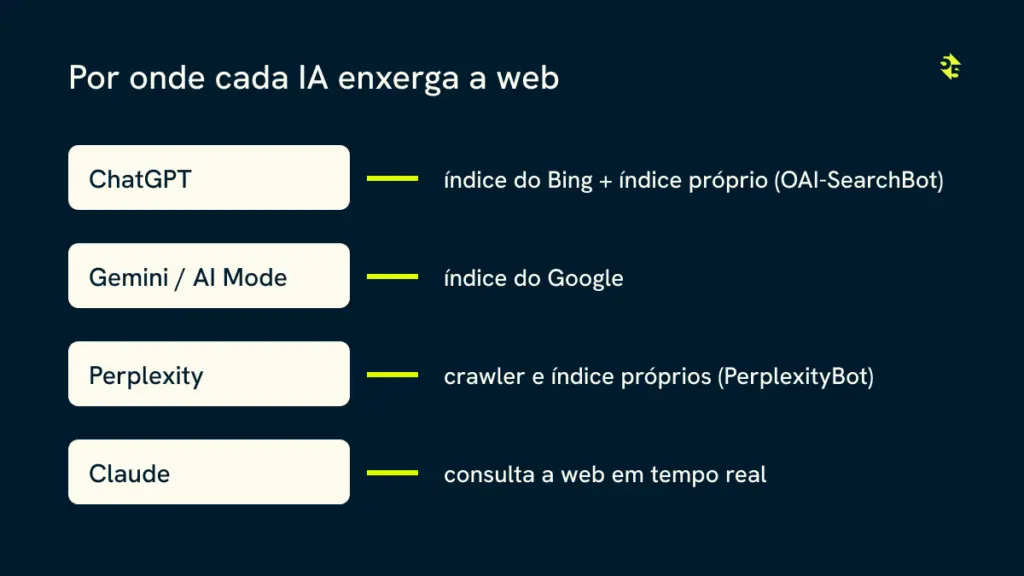
The detail that almost no one notices is that each assistant views the web through a different gateway. ChatGPT discovers content primarily through the Bing index, supplemented by its own index built by the OAI-SearchBot crawler, which is different from the GPTBot used for training. Gemini and AI Mode use Google's own index. Perplexity maintains its own crawler and index. Claude queries the web at the moment of the response.
The strategic consequence is less obvious than it seems: a brand can be flawless on Google and, at the same time, be invisible to ChatGPT. These are different discovery infrastructures with different access rules. And, as we've already discussed in our [article/article/reference - context needed]. article about GEO (Generative Engine Optimization), There is no public formula that determines how models choose their sources. What does exist are consistent patterns: quality of information, authority built over time, consistency across channels, and content structured enough to be understood by machines.
The right question isn't technical, it's strategic.
Those who ask how to appear on ChatGPT usually expect to receive an optimization checklist. And there is, in fact, a set of objective practices, which we present below. But the answer begins elsewhere.
Visibility in artificial intelligence is not a technique that can be applied to a website. It is a consequence of a... digital ecosystem Well-constructed: accessible technology, organized information, real authority, and original knowledge. AIs don't need more content; the internet already has plenty. They need reliable sources. And trust isn't manufactured with a prompt: it's built over time.
This perspective directly aligns with what we advocate regarding... digital ecosystemsWhen website, content, data, and experience operate as a single system, the brand becomes understandable to both people and machines. When each asset is treated as an isolated project, signals arrive fragmented, and fragmented sources are rarely cited.
How to show up on ChatGPT in practice: where to start
That being said, there is indeed a clear path. This is the path we follow to begin any diagnosis at follow55:
- Check if AI crawlers can read your website. It seems basic, but it's the most common and most invisible error: content that only exists after JavaScript executes, pagination that hides old pages, firewalls that block GPTBot, OAI-SearchBot, PerplexityBot, and Bingbot by default. A technical SEO audit It reveals in days what may be costing months of invisibility;
- Be in the Bing index. This is how ChatGPT discovers URLs. Registration with Bing Webmaster Tools is free and, in our experience, most Brazilian companies have never done it;
- Structure the content so it can be cited. Use real questions as headings, direct answers in the first paragraphs, explicit definitions, and frequently asked questions sections. Not because AI demands it, but because clear content is easier to extract and trust.;
- Build authority outside of your own website. Mentions in the press, industry directories, reviews, and consistent profiles. AI cross-references what you say about yourself with what the web says about you.;
- Publish only what your company can publish. Proprietary data, lessons learned from real projects, well-founded positions on your market. Original knowledge is the scarcest asset on the internet.;
- Monitor. Ask the AIs about your category and see who they mention. In Google Search Console, impressions from AI Mode already appear today and serve as a barometer of this visibility.
Following this sequence, the question "how to appear on ChatGPT" ceases to be a mystery and becomes a work plan with verifiable steps.

Frequently Asked Questions
What is GEO (Generative Engine Optimization)?
It's the set of strategies to make a brand understood, trusted, and cited by AI responses such as ChatGPT, Gemini, Claude, and Perplexity. We explain this in detail in our [link/resource]. Complete guide to GEO.
Does ChatGPT use Google for searches?
No. ChatGPT discovers content primarily through Bing's index and its own index built by OAI-SearchBot. Therefore, a company can rank well on Google but not appear on ChatGPT.
Is it possible to pay to appear on ChatGPT?
There is no paid media that guarantees citation in AI responses: appearing on ChatGPT is a matter of building authority, not investing in advertising.
How can I tell if AI can read my website?
Quick test: access your pages with JavaScript disabled and see if the content appears. Then, review robots.txt, firewall, and Bing indexing. At follow55, we perform this complete diagnostic as part of our... technical SEO audit.
How long does it take for my company to start being mentioned?
It depends on the starting point. Technical fixes and indexing on Bing take effect in weeks; building authority and quotable content is a process that takes months, with cumulative gains at each stage.
Conclusion
The question "how to appear on ChatGPT" is legitimate, but the answer isn't a simple trick. Just as SEO has never been solely about keywords, visibility in artificial intelligence won't be just about optimizing text for generative models.
At follow55, we believe that being cited by AI is a consequence of something bigger: a digital ecosystem that integrates technology, content, data, and experience into a single strategy. The brands most recommended by artificial intelligence will not necessarily be those that optimized the fastest, but rather those that have built enough knowledge to be considered a trusted source.
If this is the conversation your company needs to have, learn about our solution. Strategy and see what we've built in projects like the TasteWay, our most recent case, and the website of Play by Ney, awarded at the Awwwards.
References
- Sensor Tower, via Times Brasil (CNBC): ChatGPT reaches 1 billion monthly users.
- Gartner, via ABES: Forecast of a 25% drop in search volume by 2026
- OpenAI: ChatGPT Search (official documentation)
- Marketing Dive: How American Eagle's CMO uses AI in marketing
- Leadster: Lead Generation Overview in Brazil 2026


 Portuguese
  English