Tech
UXUI
Websites

Victor Odo
Partner & COO
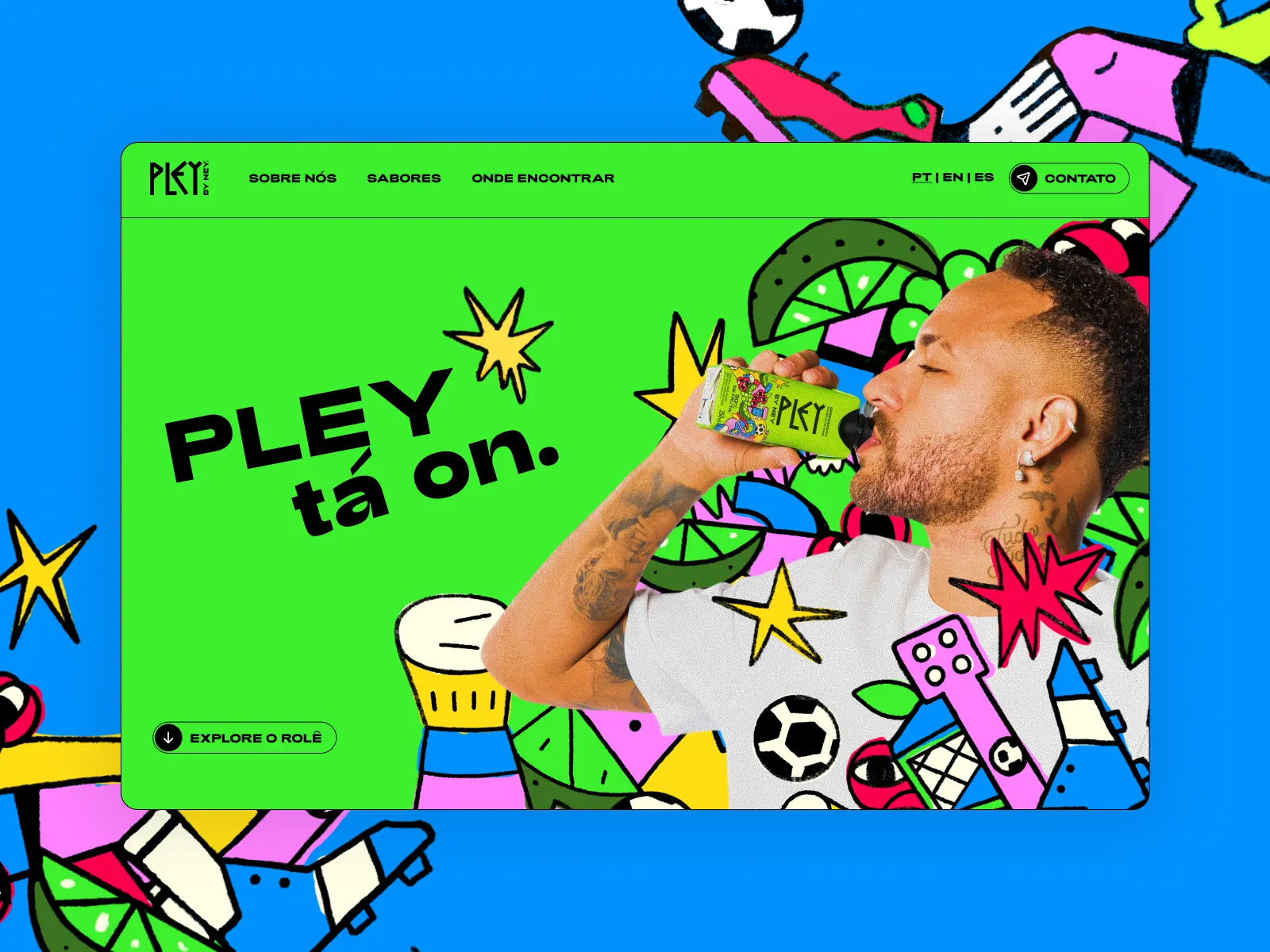
Website developed by follow55 for Pley by Ney receives Honorable Mention at Awwwards.
February 19, 2026
Tech



Having a good idea has never been difficult. Just attend a meeting, open a social network, or talk to any professional in the field to hear several of them. Ideas arise all the time, from all sides, in all formats. The market is full of good intentions, interesting concepts, and promising visions.
The problem was never a lack of ideas. The problem was always delivery.
We live in the age of endless brainstorming, well-packaged concepts, and beautiful presentations.
But ideas, by themselves, do not generate value.
Value arises when there is:
Without that, the idea remains just an intention.
There is an important difference between produce and deliver.
To deliver means:
Delivering isn't about announcing, publishing, or uploading something. Delivering is about taking responsibility for what comes after. It's about being there when something breaks, when the user doesn't understand, when the data underperforms, and when the operation becomes cumbersome.
The real work begins after the "go live" moment. Always.
Projects rarely fail due to a lack of creativity. They fail because nobody wants to decide, nobody wants to prioritize, and nobody wants to take responsibility for the impact of the choices made.
Excessive alignment is often simply a fear of execution. They fail because:
Execution requires difficult choices.
And difficult choices aren't always popular.
Launching isn't the end. It's the beginning. In the digital world, delivery involves:
Without continuity, any good idea becomes a liability.
Performance doesn't usually garner immediate applause.
It happens in the details, in the process, in the repetition.
It's less visible than a great idea.
But it is infinitely more valuable.
Strong companies are built by those who:
Ideas impress in the short term.
Deliveries build reputation.
In the medium and long term, the market is guided by those who:
That's what builds trust.
That's what generates growth.
Tech
UXUI
Websites

Tech